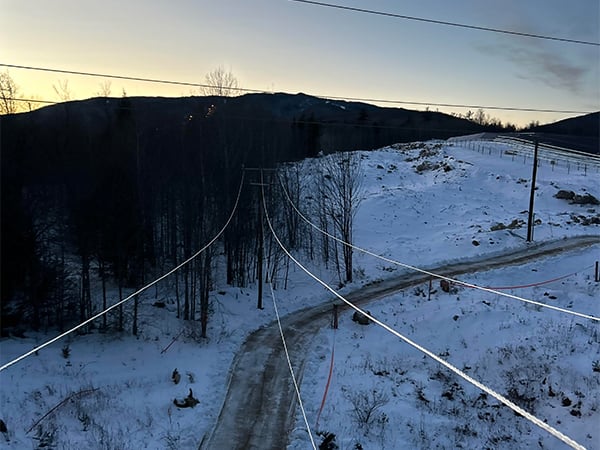



We determine if a location is ideal for solar. Our development team evaluates the landscape, the surrounding grid capacity and access to three-phase power.
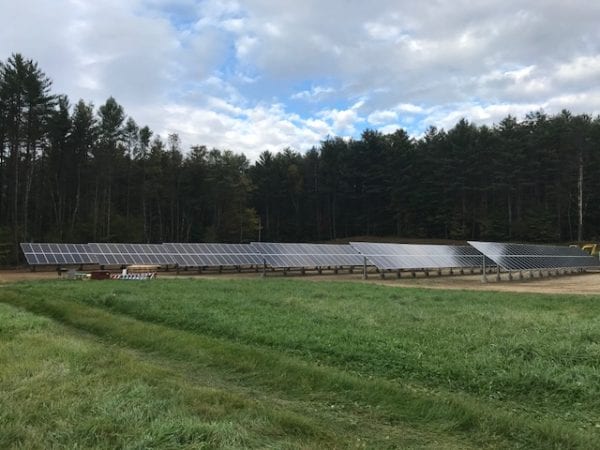
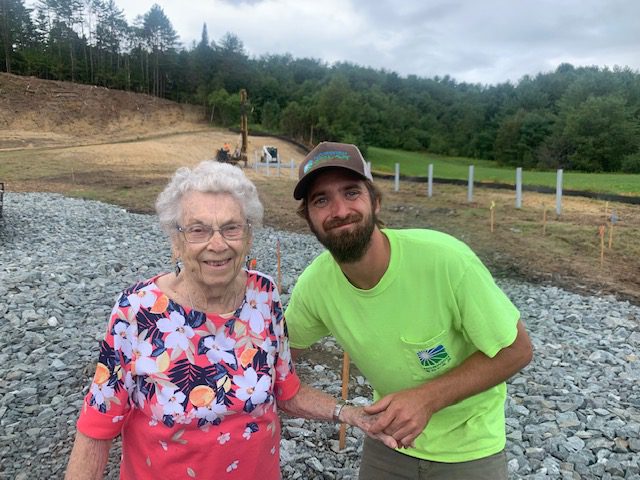
When Lucille Oaks decided to move from her home of 65 years into a nearby senior senior community, she wanted to do something meaningful for her community of St. Johnsbury, her grandchildren and the climate. At a spritely 94 years old, Lucille had been considering her options for some time. Eventually she decided to lease a portion of her land to a farmer for haying, and the rest to Norwich Solar to host a solar array.
Year Established
Projects Completed
MW Installed
Financed
The timeline for a solar project can vary, but many projects take 12 to 36 months from signing a site host agreement to the end of construction. That range depends on factors such as permitting, utility interconnection, environmental review, and other approvals that are often outside of our direct control. Norwich Solar manages and funds the entire process, works to keep project moving efficiently, and keeps landowners informed along the way.
Not every parcel is the right fit for solar, which is why we begin with a careful site review. Our team evaluates factors such as access, topography, proximity to grid infrastructure, permitting considerations, and surrounding land use to determine whether a site has strong development potential. We focus on thoughtful siting and only move forward on properties that pass our initial assessment.
Leasing land for solar can create long-term financial value from underused property while supporting renewable clean energy in your community. For many landowners, it is an opportunity to generate predictable income from land that may not be serving another high-value purpose. It can also allow the property to contribute to broader sustainability and energy resilience goals in the region.
In most cases, landowners can continue to access and use their property during the option period, provided those activities do not interfere with project development. During this time, Norwich Solar conducts studies, advances design work, and pursues permits and approvals needed to determine whether the project can move forward. We work closely with landowners so expectations are clear from the beginning.
At the end of the lease, there are typically two paths: the project may continue under a renewed agreement, or the solar facility may be removed and the property restored according to the terms of the agreement. Restoration planning is an important part of responsible project development, and we work to ensure landowners understand those obligations from the start.
That is a common and important question. Norwich Solar takes a transparent, community-based approach to development that prioritizes responsible siting, early engagement, and environmental stewardship. We work to identify concerns early, communicate clearly, and develop projects that respect both the property and the surrounding community.
The best first step is a conversation about your property and your goals. From there, we can review the site at a high level, discuss whether it may be a fit for solar development, and explain what the process would look like. Our goal is to make the early stages straightforward, informative, and low pressure for landowners.
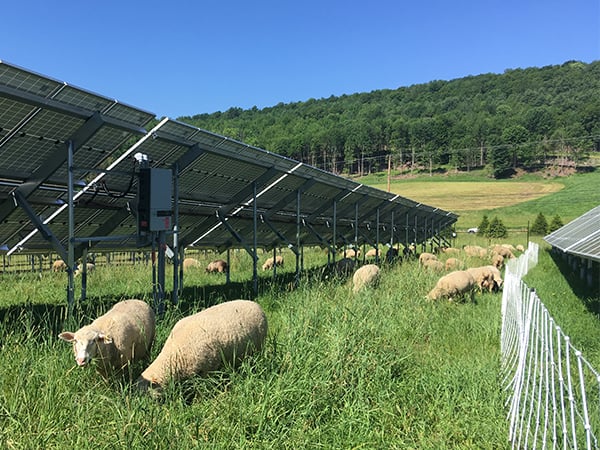
A solar farm is a ground-mounted solar array that generates electricity from sunlight and delivers that power to the electric grid. Depending on the project structure, the energy may support utilities, businesses, municipalities, or community solar participants. Solar farms are designed for long-term operation and are carefully planned around site conditions, grid access, and local requirements.
Like any development project, a solar farm must be carefully planned to minimize environmental impact. That is why Norwich Solar evaluates site conditions, environmental factors, and permitting requirements early in the process and prioritizes responsible siting and environmental stewardship throughout development. Solar panels used in modern projects are manufactured for long-term outdoor use and do not create environmental hazards to surrounding land or groundwater when properly installed and maintained.
Lease rates vary from project to project based on factors such as location, site characteristics, project size, grid access, and overall development potential. Because every property is different, the most accurate way to determine potential lease value is through a direct site review and conversation about the parcel. Our goal is to structure agreements that reflect the specific opportunity and create long-term value for the landowner.
Property tax treatment can vary depending on the location of the project and how local jurisdictions assess solar development. In most cases, your property taxes will not increase. The solar project often has municipal tax payments that benefit the town and those are paid for by the solar operator. Any project-related tax obligations are addressed within the lease or project agreement so landowners understand how those responsibilities are handled. Norwich Solar works to make these terms clear during the development process so landowners can evaluate the opportunity with confidence.